Robin: A Bold Script Typeface
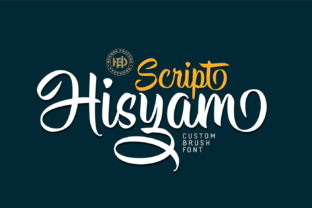
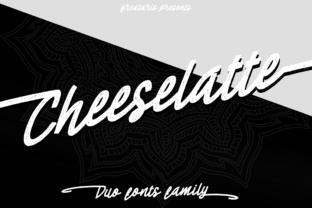
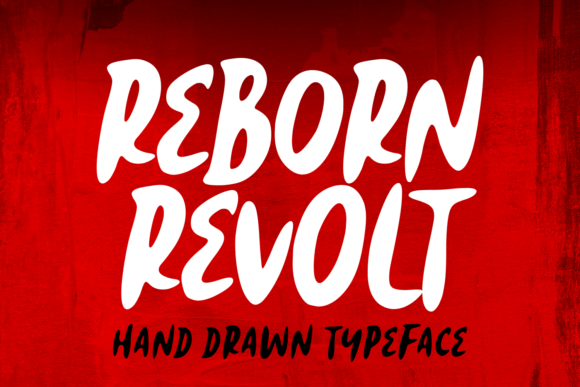
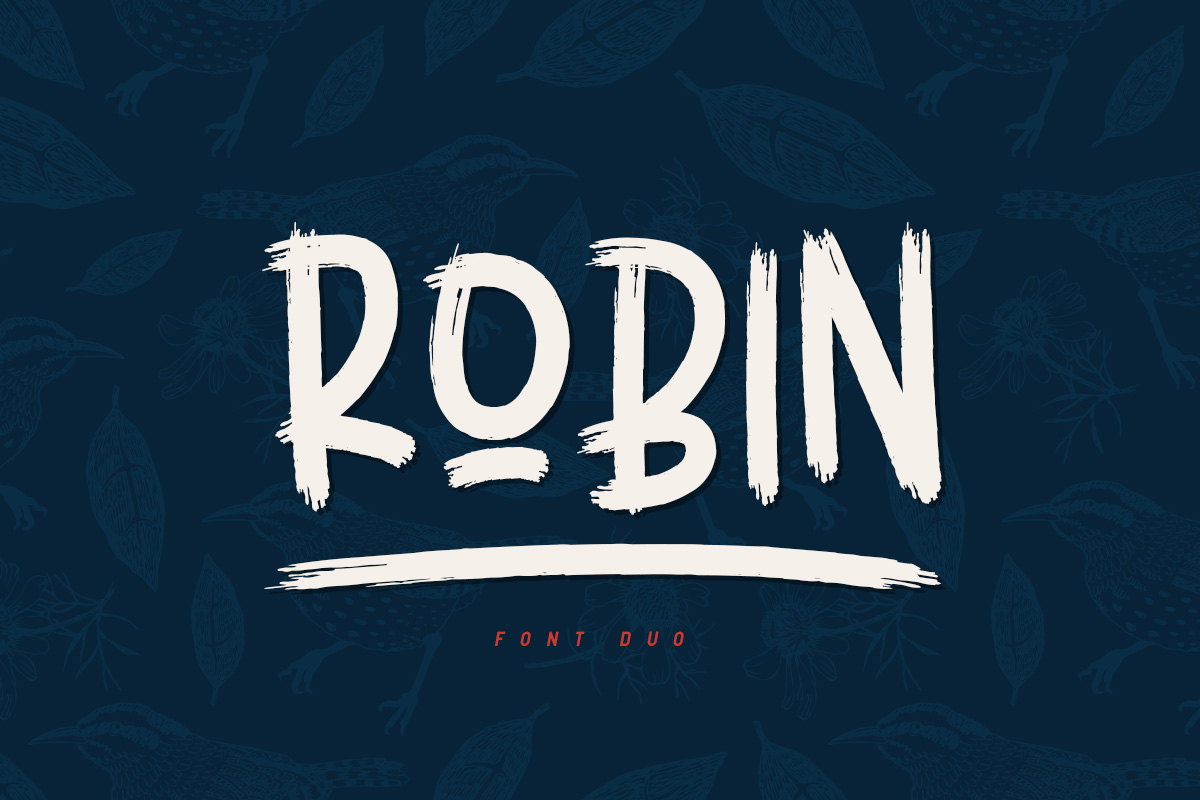
Robin is a hand-drawn brush font that brings energy and elegance to digital design. Its bold, dynamic strokes make it ideal for display use, offering a unique visual identity that stands out in web layouts. As a script font, Robin blends creativity with clarity, making it a valuable addition to any designer's toolkit.
Designed with exceptional taste, Robin works well as a display typeface that adds depth and style to your designs. Whether you're crafting a website header or a social media graphic, Robin provides a modern, handwritten feel that feels both authentic and professional.
Robin in Web Design
For web designers and UI creators, Robin can enhance visual hierarchy and brand tone. Its expressive strokes make it perfect for headlines, call-to-action buttons, and hero sections. When used strategically, Robin can guide user attention and reinforce the personality of a brand.
In landing pages and product sales pages, Robin can elevate the overall aesthetic. A creative portfolio site might use Robin for section headings to create a sense of movement and artistry. An online store could apply it to banners or promotional text to add a personal touch without sacrificing readability.
Robin’s versatility extends to digital ads, blog headers, and course pages. Its bold nature ensures it remains legible even at smaller sizes, making it suitable for mobile screens and responsive layouts. When paired with a clean sans serif font, Robin can create a balanced and engaging design system.
Brand Identity and User Engagement
Robin contributes to a consistent online identity by adding a signature look to your brand assets. It can be used in logo design, social media graphics, and email templates to maintain a cohesive visual language. The font’s personality helps convey a brand’s tone—whether it’s playful, professional, or artistic.
Readability is key in digital design, and Robin excels in this area. Its clear letterforms ensure that users can scan content quickly, which is essential for conversion-focused layouts. On dark backgrounds or image overlays, Robin retains its legibility, making it a reliable choice for web typography.
When used in small buttons or short phrases, Robin maintains its impact without overwhelming the layout. It works best as a decorative accent or a primary headline, rather than body text. For example, a coaching website might use Robin for a main title, while pairing it with a simple serif font for supporting copy.
Practical Applications
Robin is ideal for boutique online stores looking to stand out with a custom feel. A handmade goods shop could use it in product titles or promotional banners to highlight craftsmanship. Similarly, a digital course platform might apply Robin to course names or feature sections to draw attention and create a sense of exclusivity.
In editorial design, Robin can serve as a headline font that adds a human touch to articles or newsletters. It also works well in packaging design, where a handwritten look can evoke authenticity and charm. For SaaS founders and marketers, Robin can enhance landing pages with a fresh, modern appearance that resonates with target audiences.
When integrating Robin into a design system, consider its weight and alternates. Some fonts include ligatures or stylistic variations that can add visual interest without compromising clarity. Check the available file formats and webfont options to ensure compatibility across platforms and devices.
Font Pairing and Design Assets
Pairing Robin with a complementary font enhances its effectiveness. A minimalist sans serif like Lato or Open Sans can balance its ornate details, creating a clean and professional look. Alternatively, a serif font such as Georgia or Playfair Display can introduce an editorial vibe, especially for blogs or content-driven sites.
For a more casual feel, pair Robin with a handwritten font that shares similar characteristics. This approach can unify a design while maintaining visual contrast. However, avoid overusing decorative fonts, as they can reduce readability and distract from the message.
Robin’s multilingual support makes it suitable for global brands and international websites. Ensure that the font includes necessary characters and diacritics for your target audience. If the font offers different weights or styles, experiment with them to find the right balance for your layout.
Commercial Licensing and Usage
When using Robin for commercial projects, verify the licensing terms. Most fonts allow use on websites, client projects, and online stores, but some restrictions may apply. Always check the license agreement for details on webfont embedding, redistribution, and modification rights.
For designers working on digital templates or brand assets, Robin can be a powerful tool when used responsibly. It can help differentiate a product or service in a competitive market, reinforcing the brand’s identity through typography.
As a premium font, Robin offers a level of quality that sets it apart from generic typefaces. Its hand-drawn aesthetic brings a personal touch to digital experiences, making it a valuable asset for web designers and creative professionals.
Whether you're building a website, designing a logo, or creating social media graphics, Robin can elevate your work with its bold, dynamic presence. Its ability to blend creativity with clarity makes it a go-to choice for designers seeking a distinctive yet functional typeface.