Calega: A Modern Script Font for Business Branding
It was a busy morning at the bakery, and I was finalizing the new packaging design for a line of artisanal pastries. The labels needed to feel elegant but approachable, something that would stand out on the shelf without being overwhelming. That’s when I remembered Calega—a modern script font that had caught my eye during a recent font hunt. It turned out to be the perfect fit for the bakery’s branding refresh.
What Is Calega?
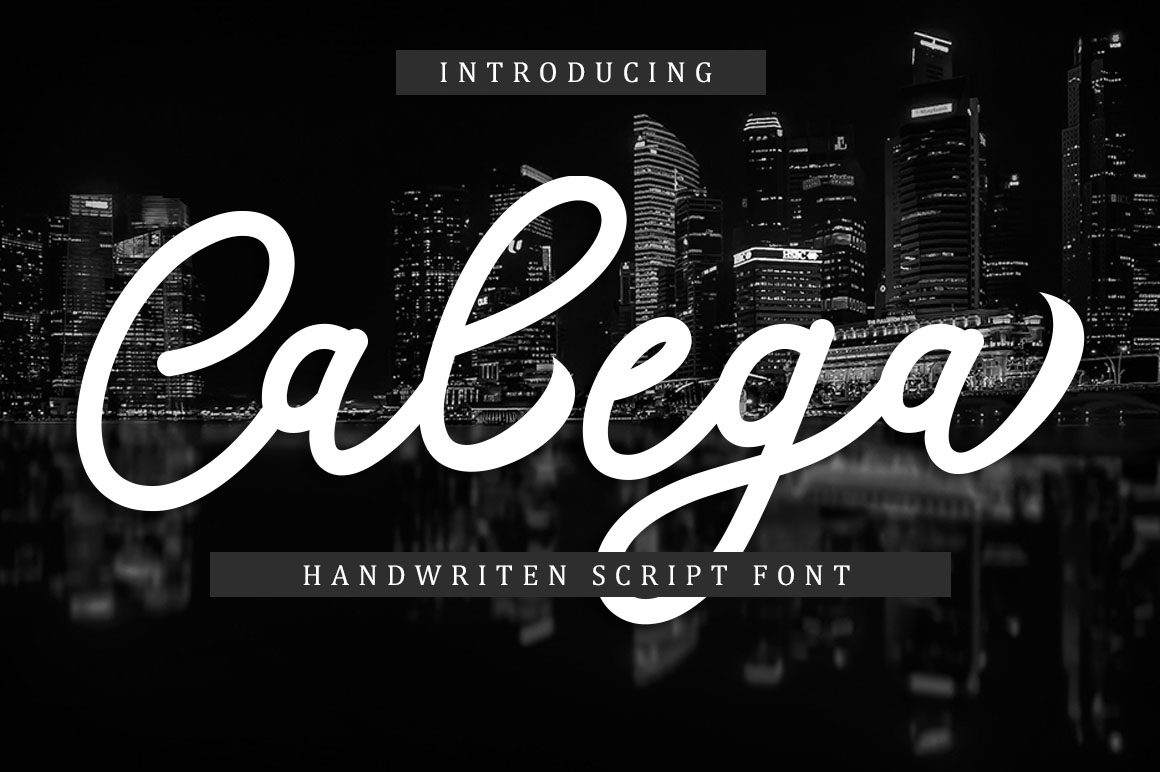
Calega is a friendly, monoline script font with a clean and contemporary feel. Its flowing lines and balanced structure make it ideal for headlines, logos, and display text. Unlike some script fonts that can feel too ornate or difficult to read, Calega maintains a sense of clarity while still offering a touch of personality. It’s the kind of font that feels both modern and timeless, making it versatile for a wide range of creative projects.
Real-World Applications for Small Businesses
Whether you're a small business owner, an online seller, or a creative professional, Calega can bring a polished look to your brand materials. I’ve used it on everything from product labels to social media graphics, and it consistently delivers a cohesive and professional appearance.
For example, a local candle shop wanted to update their jar labels to match their new brand identity. Using Calega for the product names and scent descriptions added a refined touch that felt more intentional than the previous font. It worked well on both printed labels and digital listings, giving the brand a more unified look across platforms.
How Calega Enhances Brand Perception
Typography plays a huge role in how customers perceive a brand. A well-chosen font can communicate professionalism, creativity, or even warmth—depending on the style. Calega leans into the latter, offering a friendly yet sophisticated tone that works well for businesses aiming to feel approachable but trustworthy.
When used on a café menu, for instance, Calega can make the text feel more inviting. It’s especially effective for headings, such as “Daily Specials” or “Signature Drinks,” where a bit of visual interest is needed without sacrificing readability. On smaller print items like thank-you cards or stickers, it adds a personal and memorable touch.
Best Uses for Calega
Calega excels in short-form, high-impact text. It’s best suited for headlines, logos, and decorative accents rather than long blocks of body text. For example, it works beautifully as a logo font for a boutique or a beauty brand, adding a subtle flair that doesn’t distract from the message.
On product packaging, it can be used for titles or taglines, helping to create a visual hierarchy that guides the reader’s eye. It also pairs well with other fonts—especially clean sans serifs or elegant serifs—for a balanced and professional look. A simple pairing with a modern sans serif like Montserrat or a classic serif like Georgia can create a striking contrast that elevates the overall design.
Readability Tips for Different Formats
While Calega is highly readable in most cases, there are a few considerations to keep in mind. For small labels or mobile screens, using a slightly larger size or bolder weight can improve legibility. When designing for printed materials, it’s important to test the font at actual size to ensure it reads well under different lighting conditions.
On social media thumbnails or online shop banners, Calega can add a unique visual element that helps your content stand out. Just be sure to keep the text concise and avoid overloading the design with too many elements. It works best when used as a focal point rather than background text.
Font Pairing and Design Considerations
When working with Calega, think about how it interacts with other design elements. For a more casual vibe, pair it with a handwritten font or a playful script. For a more refined look, combine it with a sleek serif or a minimalist sans serif. The key is to maintain balance so that the font enhances the overall aesthetic without competing with other elements.
Before using Calega on any project, check the available styles, file formats, and licensing options. Make sure it includes all the necessary characters for your language and that it’s suitable for commercial use if you’re creating products or templates for clients.